Running Strength Training
18739
page-template,page-template-full_width,page-template-full_width-php,page,page-id-18739,bridge-core-3.0.6,qode-page-transition-enabled,ajax_fade,page_not_loaded,,qode-title-hidden,qode-theme-ver-29.3,qode-theme-bridge,disabled_footer_top,disabled_footer_bottom,wpb-js-composer js-comp-ver-6.10.0,vc_responsive,elementor-default,elementor-kit-18584
Strength Training for Running

Running strong isnt just about running more – strength training can help you become a stronger, more resilient runner.

This programme is designed to complement your running, focusing on the strength, stability and control you need to run efficiently and stay strong and injury free.

With short, focused workouts designed for runners, you’ll build strength without adding unnecessary training time. Perfect for runners of all levels and designed to fit easily alongside your existing running programme.

Here is a look into some of the major impacts of strength training for runner:

1.Injury Prevention

Running, especially over long distances or with improper form, can lead to repetitive stress on muscles, joints, and connective tissues. Strength training helps mitigate these risks by:

Building Muscle Strength and Stability

  • Support for Joints: Strength training strengthens the muscles surrounding key joints (like knees, hips, and ankles), improving their stability. This reduces the likelihood of injuries like sprains, strains, or ligament tears, which often occur from weak or imbalanced muscles.
  • Increased Tendon Strength: Stronger muscles help support tendons and ligaments. This reduces the risk of conditions like tendonitis (e.g., Achilles tendonitis), which is common in runners who don’t engage in strength training.

Improving Muscle Balance

  • Correcting Imbalances: Runners often develop muscle imbalances (e.g., weak glutes or hip flexors) from the repetitive motion of running. Strength training addresses these imbalances, reducing the risk of overuse injuries such as IT band syndrome, shin splints, and runner’s knee.
  • Reducing Overload: By strengthening muscles, strength training reduces the strain on muscles, tendons, and ligaments during a run. It helps avoid overloading weaker muscles, which is often a precursor to injury.

Enhancing Mobility and Flexibility

  • Prevents Tightness: Strength training, combined with flexibility work, can help keep muscles flexible and mobile. Tight muscles from prolonged running can lead to poor form and injuries (like hamstring strains or hip flexor tightness).
  • Improved Range of Motion: Exercises that increase joint and muscle mobility can help maintain proper running form, reducing wear and tear on the body.

Improving Posture and Running Form

  • Core Strength: A strong core improves posture and balance, preventing inefficient movements that could cause strain or lead to injury. Poor posture while running (e.g., slouching or leaning too far forward) can lead to discomfort and injuries, particularly in the lower back, hips, and knees.

2. Improved Performance

Increased Running Power and Speed

  • Stronger Muscles: When your muscles are stronger, they can generate more force with each stride, making you more powerful and improving your speed. This is especially important for sprinting or hill running.
  • Plyometrics for Explosiveness: Exercises like jump squats or box jumps improve your ability to push off the ground more explosively, which leads to faster, more efficient strides.

Improved Running Efficiency

  • Better Running Economy: Strength training enhances the efficiency of your muscles and cardiovascular system, meaning you expend less energy to cover the same distance. Stronger leg muscles, especially the glutes, quads, and calves, can push off more efficiently, leading to less fatigue during long runs.
  • Reduced Fatigue: When muscles are better conditioned, they fatigue less quickly. This means you can maintain a strong pace for longer periods without feeling drained.

Improved Endurance

  • Higher Endurance: Strength training, particularly with compound movements, can increase your overall endurance by boosting your muscle’s ability to work over extended periods. Endurance runners benefit from strong leg and core muscles that can continue performing for miles without breaking down.
  • Faster Recovery: Stronger muscles are better at recovering from fatigue. They can handle the stress of repeated running, leading to less muscle soreness and quicker recovery times.

Enhanced Flexibility and Mobility

  • Better Stride Length and Frequency: Strength training allows for more efficient strides. Stronger hip flexors and glutes enable a longer stride, while a strong core and legs help with the rhythm and cadence, increasing your speed.
  1. Reduced Impact Forces
  • Cushioning of Joints: The stronger muscles and connective tissues act as a shock absorber, reducing the impact on joints like the knees and hips. This can improve overall performance by allowing you to run faster and longer without joint pain.


Conclusion: The Importance of Strength Training for Runners

In summary, strength training is important because it:

  • Prevents injury by addressing muscle imbalances, improving joint stability, and enhancing mobility.
  • Improves performance by increasing speed, endurance, and overall running efficiency, while also reducing fatigue and recovery time.

By incorporating strength training into your routine, you can become a stronger, faster, and more injury-resistant runner, ensuring long-term success in your running goals.

What is our Pilates + Training App all about?

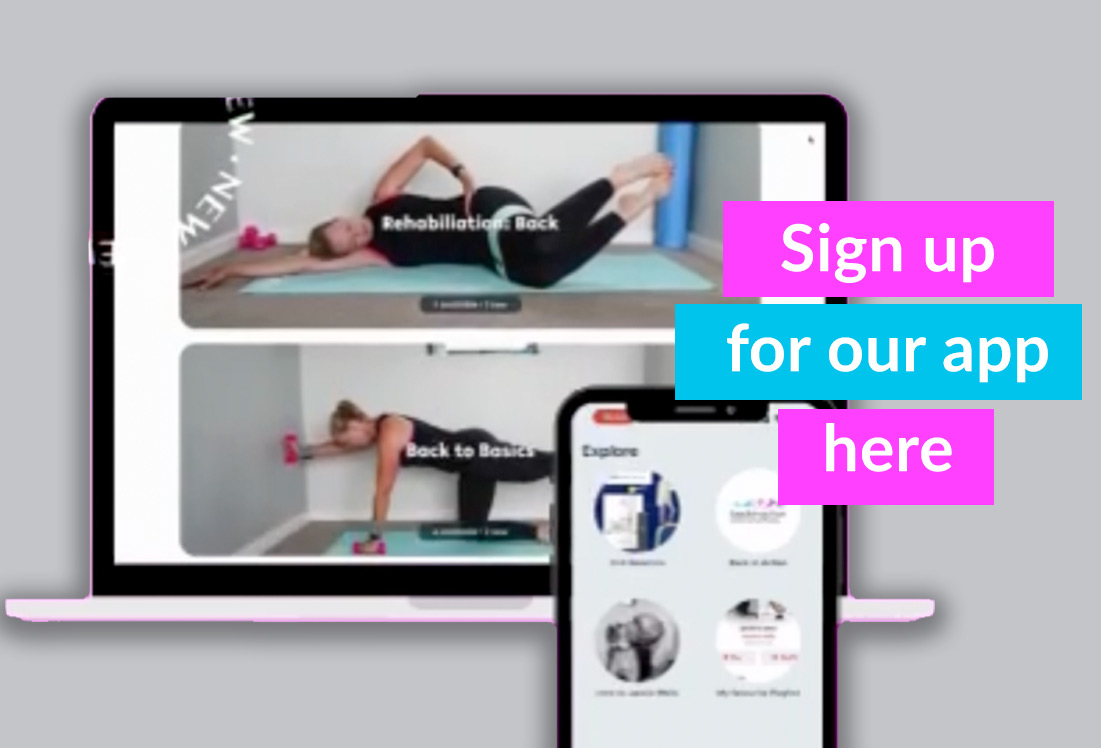
Back in Action Pilates and Strength training app is an online fitness and injury rehab platform designed to give you the structure you need for your fitness or recovery journey. The app is fully designed by a physiotherapist and rehab pilates specialist with 25 years in the industry, having worked with all levels of professional and amateur athlete – and all programs can take you from the most basic rehab and classes to full return to sport, advanced training. BIA features daily live pilates class, and training/workout programes ranging from 15-60 minutes targeting the whole body, improving posture and increasing flexibility, as well as increasing strength and recovering from injuries such as back pain, knee pain, sprained ankles, hip issues and shoulder rotator cuff injuries.

The Running Strength Training programmes are scientifically designed to complement your running, focusing on the strength, stability and control you need to run efficiently and stay strong and injury free.

The Pilates classes range from Back to basics, pure pilates, power pilates, Barre classes and mobility sessions. The rehab videos are follow along videos taking you from acute injury to return to sport.

The newest development on the app, are the weight training programmes – either follow along vidoes or gym appropriate app programs where you are able to track your weights and reps, and keep a history of your training. These programs can be designed specifically for you and your individual requirements.

Knowing all the sessions are designed by a physiotherapist with specialist knowledge of exercise and the human body, means you can feel safe and supported in your fitness and recovery journey, and also have access to chat and ask questions on the app, about your individual issues or concerns.

How do I sign up ?

  1. Sign up by clicking on the link here
  2. Fill out new account details
  3. Subscribe
  4. Download the app from apple or google and fill in login details
  5. Join the community on the app for access to chat to me

Interested in finding out more about how to rehab with pilates?

Please contact Jackie from backinaction for more information.